
Thoracic Facet Referral Pattern
Thoracic Facet Referral Pattern - Web facet syndrome is an articular disorder related to the facet joints and their innervations, and produces both local and radiating pain. Thoracic facets tend to refer pain to the paraspinal regions around the thoracic spine. For lumbar facet joints, pain may be referred to as the region between the hip and thigh. No chest wall, upper extremity or pseudovisceral pains were reported. Medial branch blocks have been used to determine the prevalence of thoracic facet joint pain and for therapeutic purposes [1, 6, 10,11,12]. A thoough understanding of the mechanism of injury is essential. Web for example, pain from injury of the t3/4 facet is felt along the inside border of the scapula. There tends to be significant overlap between the levels. Web thoracic facet pain pattern x dreyfuss et al.1 established pain patterns for the thoracic facet joints: Web thoracic facet syndrome, also known as thoracic facet disease or thoracic osteoarthritis, is a degenerative spine condition in which the facet joints of the thoracic (middle) region of spine deteriorate over time and become painful and stiff. A study in normal volunteers. One of the major challenges for a clinician seeing patients with neck and shoulder pain is determining the source of the symptoms. Web unlike the thoracic and lumbar facet joints, referral pain pattern and cobb angle rather than tenderness on the facetal area is helpful in suggesting cervical facet joint pain. Web clinical facet joint syndrome is defined as a unilateral or bilateral back pain radiating to one or both buttocks, sides of the groin, and thighs, and stopping above the knee [ 5 ]. Web subsequent investigation has focused on thoracic facet referral patterns, anatomical course and distribution of thoracic medial branches, prevalence of thoracic facet joint syndrome in patients with upper and mid back pain, and clinical efficacy of therapeutic medial branch blocks. No chest wall, upper extremity or pseudovisceral pains were reported. Injury to the joint is not commonly detected by conventional radiographic studies. Web each joint has a distinct referral pattern illustrated below. Web cervical, thoracic, and lumbar facet joint pain syndromes comprise 55%, 42%, and 31% of chronic spinal pain syndromes, respectively. Web definitive innervation of the posterior primary rami has yet to be established, and significant pain pattern overlap between the thoracic facet joint, costotransverse joints, and visceral referral patterns, as well as the limitations of current biomechanics, challenge the clinician’s ability to examine pain of suspected thoracic origin. One of the major challenges for a clinician seeing patients with neck and shoulder pain is determining the source of the symptoms. This study provides preliminary data of the pain referral patterns of costotransverse joints. Web thoracic intraarticular injections have been used to determine facet joint referral pain patterns; Referred pain thoracic spine | thoracic screening | visceral referred pain.. The diagnosis of referred pain from the thoracic spine involves a complete medical history, thorough physical examination and review of radiographic imaging. Web unlike the thoracic and lumbar facet joints, referral pain pattern and cobb angle rather than tenderness on the facetal area is helpful in suggesting cervical facet joint pain. There tends to be significant overlap between the levels.. Referred pain thoracic spine | thoracic screening | visceral referred pain. There tends to be significant overlap between the levels. Web thoracic facet syndrome, also known as thoracic facet disease or thoracic osteoarthritis, is a degenerative spine condition in which the facet joints of the thoracic (middle) region of spine deteriorate over time and become painful and stiff. O does. Web subsequent investigation has focused on thoracic facet referral patterns, anatomical course and distribution of thoracic medial branches, prevalence of thoracic facet joint syndrome in patients with upper and mid back pain, and clinical efficacy of therapeutic medial branch blocks. Web referred pain from the thoracic spine can arise from the facet joints, costotransverse joints, interspinous ligaments, discs or nerves.. Thoracic facets tend to refer pain to the paraspinal regions around the thoracic spine. One of the major challenges for a clinician seeing patients with neck and shoulder pain is determining the source of the symptoms. Causes of facet joint syndrome. Web facet syndrome is an articular disorder related to the facet joints and their innervations, and produces both local. For lumbar facet joints, pain may be referred to as the region between the hip and thigh. This study provides preliminary data of the pain referral patterns of costotransverse joints. A study in normal volunteers. Injury to the joint is not commonly detected by conventional radiographic studies. Medial branch blocks have been used to determine the prevalence of thoracic facet. The past two decades have witnessed a surge in the use of lumbar facet blocks and radiofrequency ablation (rfa) to treat low back pain (lbp), yet nearly all aspects of the procedures. Web thoracic facet pain pattern x dreyfuss et al.1 established pain patterns for the thoracic facet joints: Web thoracic facet syndrome, also known as thoracic facet disease or. Web clinical facet joint syndrome is defined as a unilateral or bilateral back pain radiating to one or both buttocks, sides of the groin, and thighs, and stopping above the knee [ 5 ]. Web thoracic facet pain pattern x dreyfuss et al.1 established pain patterns for the thoracic facet joints: A thoough understanding of the mechanism of injury is. Web unlike the thoracic and lumbar facet joints, referral pain pattern and cobb angle rather than tenderness on the facetal area is helpful in suggesting cervical facet joint pain. Web subsequent investigation has focused on thoracic facet referral patterns, anatomical course and distribution of thoracic medial branches, prevalence of thoracic facet joint syndrome in patients with upper and mid back. This study provides preliminary data of the pain referral patterns of costotransverse joints. Web clinical facet joint syndrome is defined as a unilateral or bilateral back pain radiating to one or both buttocks, sides of the groin, and thighs, and stopping above the knee [ 5 ]. Web cervical, thoracic, and lumbar facet joint pain syndromes comprise 55%, 42%, and. O does not/rarely cause midline thoracic pain or arm pain. For lumbar facet joints, pain may be referred to as the region between the hip and thigh. There tends to be significant overlap between the levels. A study in normal volunteers. Web thoracic intraarticular injections have been used to determine facet joint referral pain patterns; Causes of facet joint syndrome. Web pain referral patterns of asymptomatic costotransverse joints have not been established. The past two decades have witnessed a surge in the use of lumbar facet blocks and radiofrequency ablation (rfa) to treat low back pain (lbp), yet nearly all aspects of the procedures. Web thoracic facet syndrome, also known as thoracic facet disease or thoracic osteoarthritis, is a degenerative spine condition in which the facet joints of the thoracic (middle) region of spine deteriorate over time and become painful and stiff. Injury to the joint is not commonly detected by conventional radiographic studies. Web subsequent investigation has focused on thoracic facet referral patterns, anatomical course and distribution of thoracic medial branches, prevalence of thoracic facet joint syndrome in patients with upper and mid back pain, and clinical efficacy of therapeutic medial branch blocks. Referred pain thoracic spine | thoracic screening | visceral referred pain. Web cervical, thoracic, and lumbar facet joint pain syndromes comprise 55%, 42%, and 31% of chronic spinal pain syndromes, respectively. Web unlike the thoracic and lumbar facet joints, referral pain pattern and cobb angle rather than tenderness on the facetal area is helpful in suggesting cervical facet joint pain. O facet joint pain does not cross to the other side. The diagnosis of referred pain from the thoracic spine involves a complete medical history, thorough physical examination and review of radiographic imaging.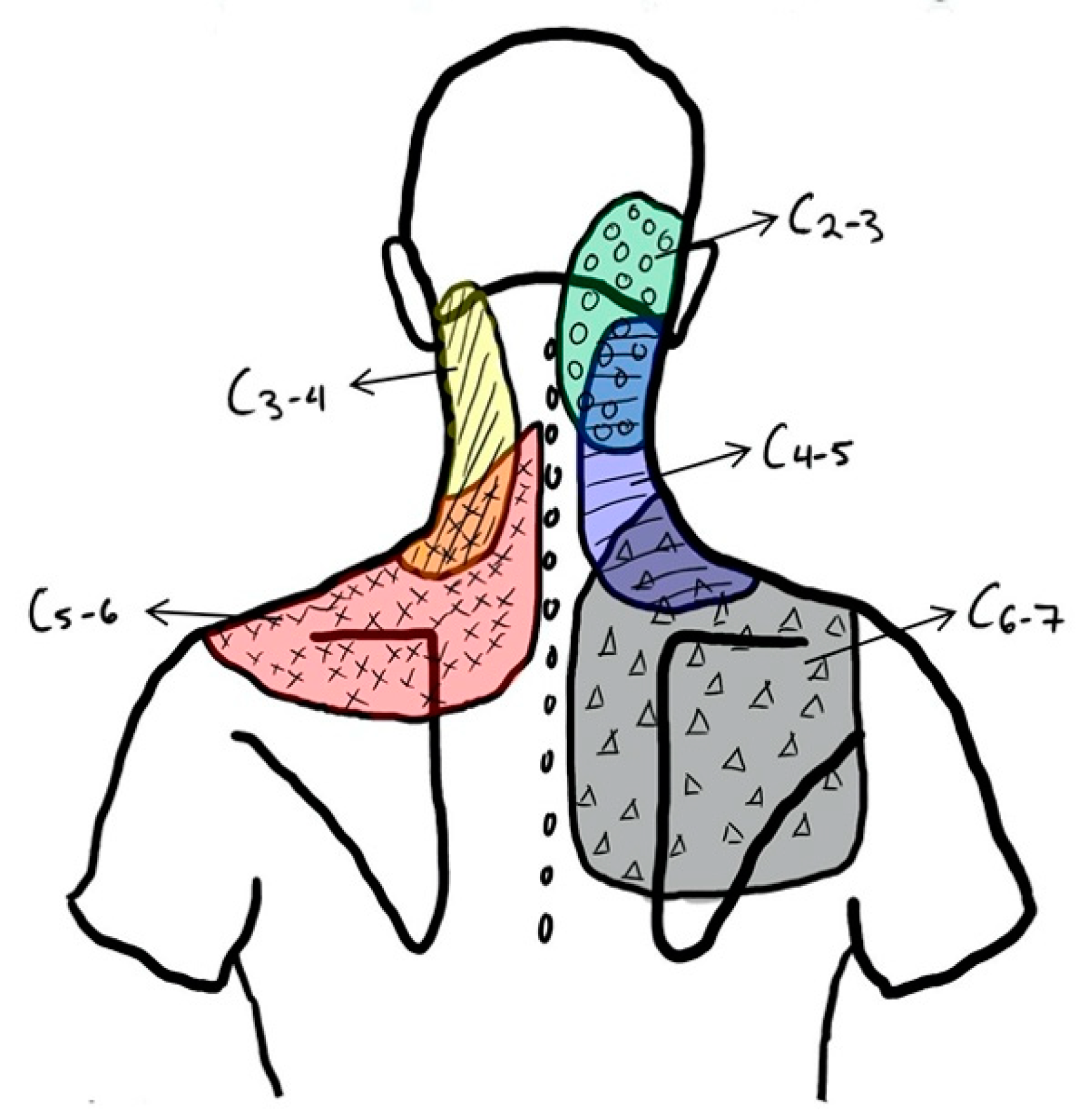
IJERPH Free FullText Medial Branch Blocks for Diagnosis of Facet

Facet Referral Patterns Bead Pattern Free Free Nude Porn Photos

Complications of Thoracic Facet Blocks and Ablations Anesthesia Key

Chest Pain in Focal Musculoskeletal Disorders Medical Clinics
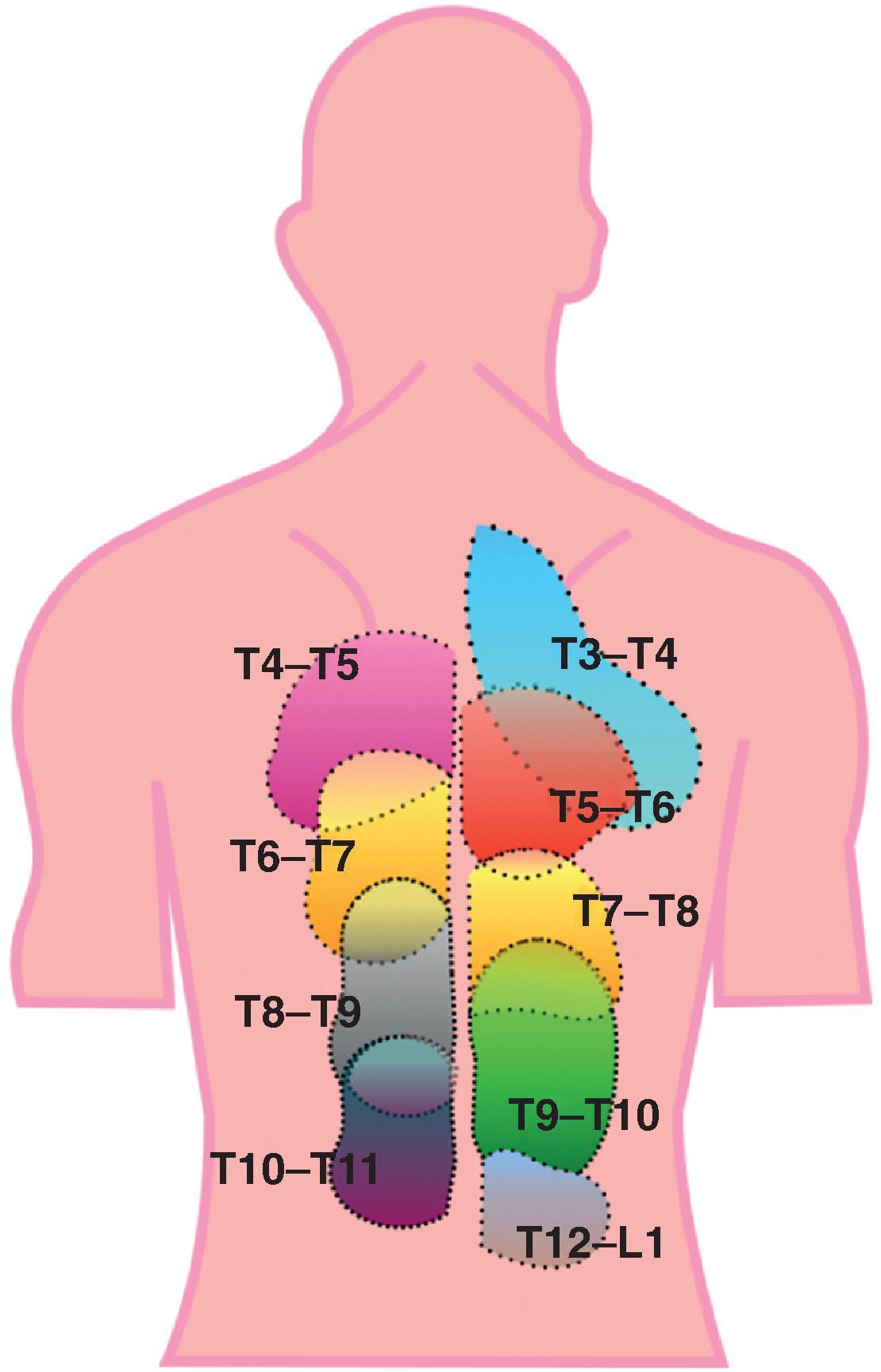
Facet Pain Pathogenesis, Diagnosis, and Treatment Clinical Tree
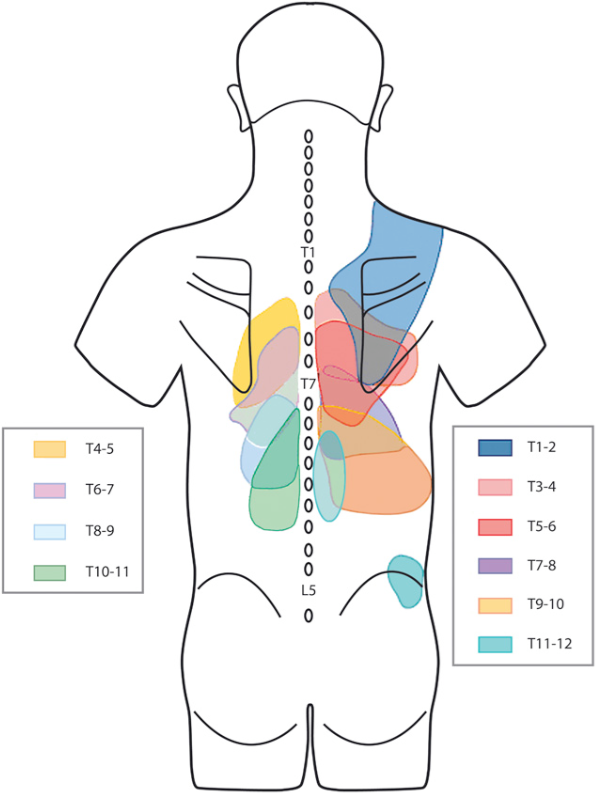
KalebFrederik

Ultrasoundguided scapulothoracic bursa injection Download Scientific

(PDF) Consensus practice guidelines on interventions for cervical spine

Thoracic Facet Patterns Diagram Quizlet
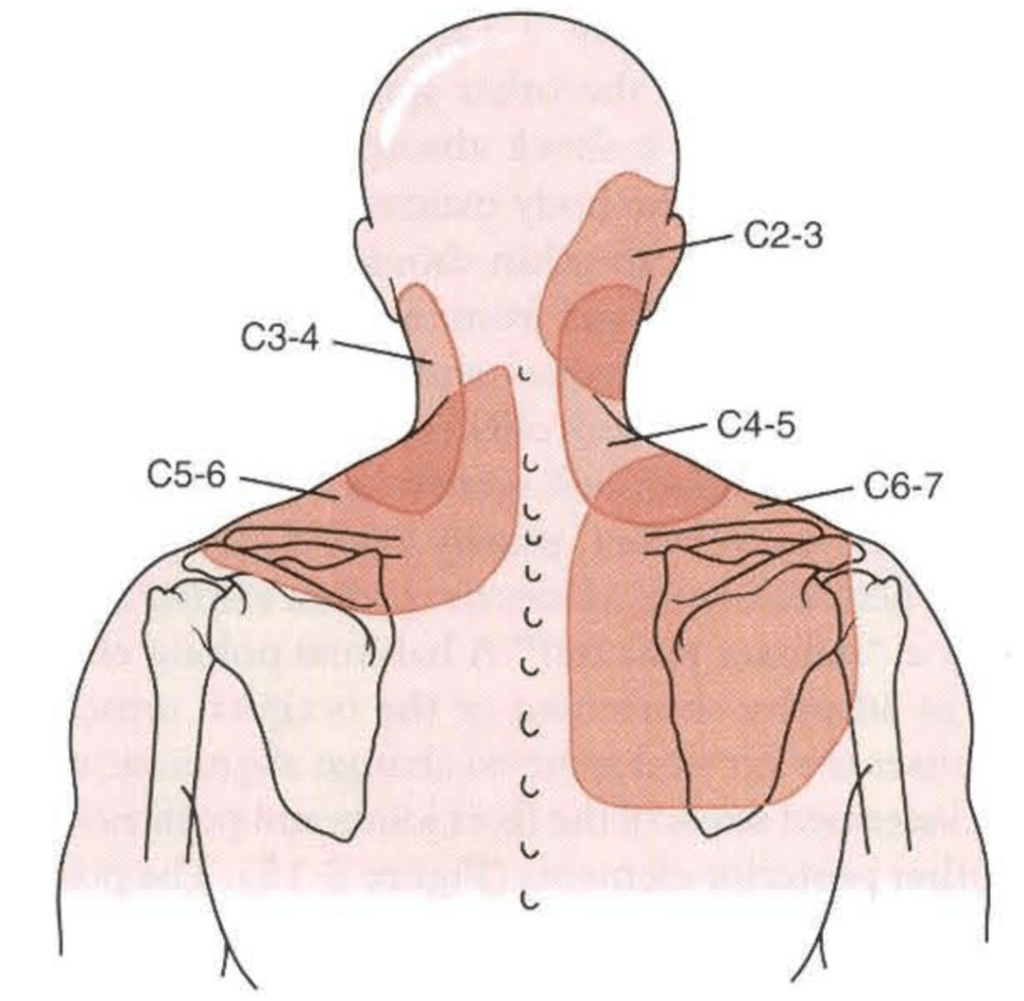
Neck pain treatment Manor Chiropractic
Web Referral Patterns Based On Stimulation Of The Thoracic Zygapophyseal Joints Have Not Been Previously Reported.
Web Definitive Innervation Of The Posterior Primary Rami Has Yet To Be Established, And Significant Pain Pattern Overlap Between The Thoracic Facet Joint, Costotransverse Joints, And Visceral Referral Patterns, As Well As The Limitations Of Current Biomechanics, Challenge The Clinician’s Ability To Examine Pain Of Suspected Thoracic Origin.
This Study Provides Preliminary Data Of The Pain Referral Patterns Of Costotransverse Joints.
Thoracic Facets Tend To Refer Pain To The Paraspinal Regions Around The Thoracic Spine.
Related Post: